Site work · No. 2
Grading, excavation & retaining walls
Most of the ground around Sullivan slopes, and a fair bit of it has rock under a few inches of clay. We clear it, cut it, fill it, compact it, and hold the bank back where it needs holding — so the building sits flat and the water goes somewhere other than under it.
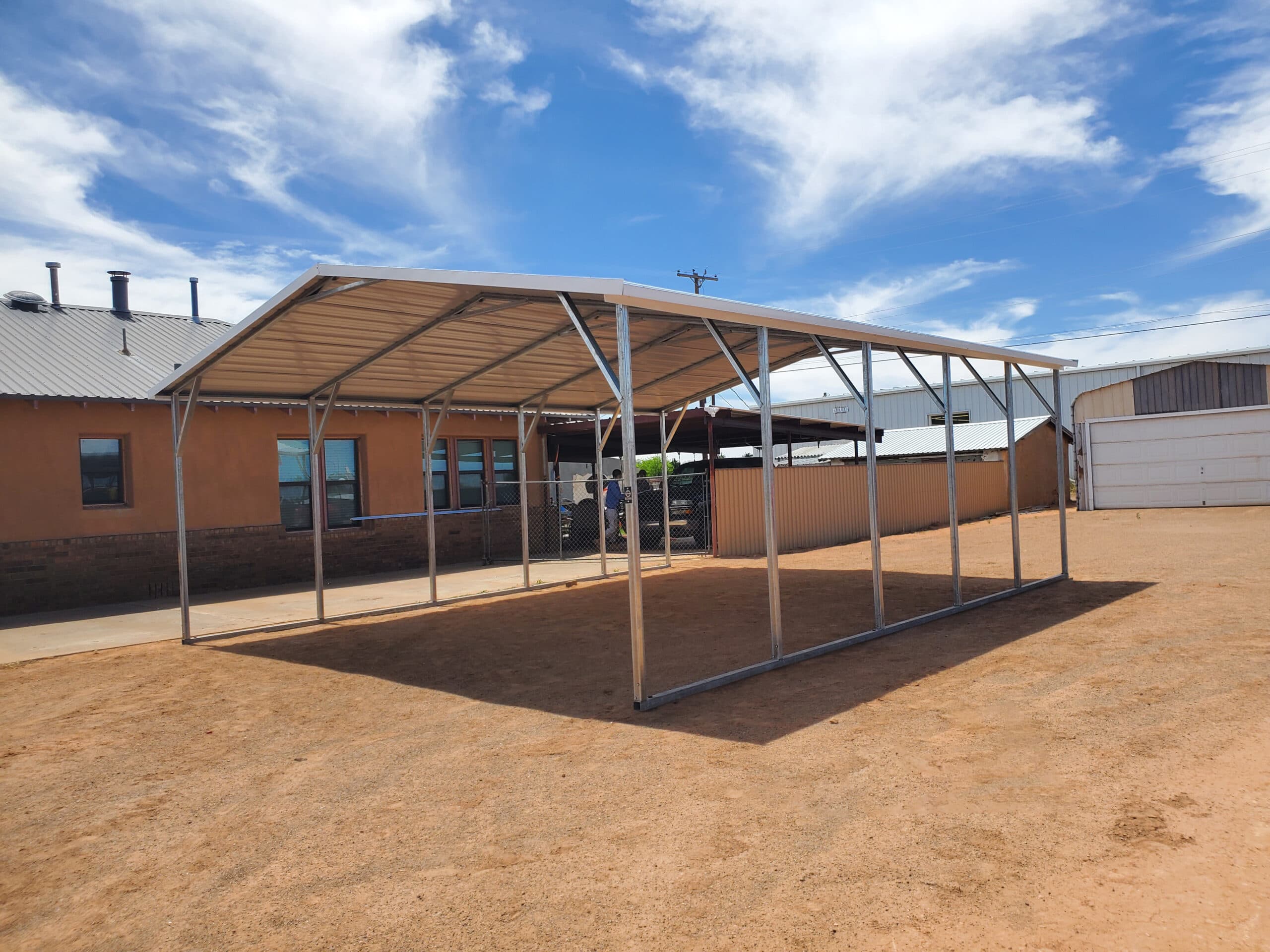
Clearing, cut & fill
Getting a flat, firm footprint is the whole job. Everything else on this page exists to protect it.
We start by stripping topsoil and organics off the footprint, because anything that can rot will settle later. Then we cut the high side, move the material to the low side, and bring the pad up in lifts — six to eight inches at a time, compacted each pass — rather than dumping it all in and hoping. Fill that isn't compacted in lifts is a slab crack waiting three years to happen.
The finished pad gets built a little larger than the building so there's a shoulder to work from, sits proud of the surrounding grade, and falls away on every side. Where the cut is deep or the neighbor's water comes across, a swale above the pad carries it around instead of into it.
- Brush, stumps, and topsoil off the footprint
- Cut and fill balanced on site where we can
- Fill placed in compacted lifts, not one dump
- Base rock in and compacted for the pad
- Haul-off or spoil pile, your call
- Utilities and septic located before we dig
Retaining walls
The tool that turns a slope into a building site. Build it to hold the load and drain what's behind it, or it becomes a maintenance problem.
A wall does two jobs: it holds soil back, and it gets water out from behind itself. The second one is what fails. Every wall we build gets a compacted base below grade, free-draining rock behind the face, drain pipe daylighted downhill, and a batter or geogrid where the height calls for it.
Walls over roughly four feet of exposed face, walls carrying a driveway or a building above them, and walls with a slope pressing on them get an engineer's design and, usually, a permit. We sort that out before quoting rather than after.
| Wall type | Works best for | Notes |
|---|---|---|
| Segmental block | Pad and yard walls up to moderate height | Fast, clean look, geogrid into the hill as it gets taller |
| Poured concrete | Tall walls and walls carrying a load above | Engineered footing, the strongest option |
| Boulder / rock wall | Rural lots, long banks, rock already on site | Handles rough grade, looks at home on Ozark ground |
| Rock-lined swale or riprap | Moving water instead of holding soil | Cheaper than a wall when drainage is the real problem |
Drainage & water
A 30 x 40 roof turns an inch of rain into roughly 750 gallons landing along two edges of your building. Plan where it goes.
- Pad set high with ground falling away on all sides
- Roughly 6 in of fall in the first 10 ft from the wall
- Swale above the pad to cut off uphill runoff
- French drain where the water is already in the ground
- Gutter and downspout tie-ins piped away from the slab
- Culverts and tubes where the drive crosses a ditch
Standing water is what kills a building site. It softens the ground under the base rail, it finds the seam where the slab meets the wall panel, and on a gravel floor it turns the low corner into mud every spring. Fixing it after the building is up costs several times what it costs to grade for it on the front end.
If the spot you're looking at already holds water after a hard rain, take a photo of it while it's wet and send that with your quote request. It tells us more than a dry-day walk-through.
Driveways & delivery access
The building arrives on a truck and trailer, and the install crew needs to get within a few feet of the pad. Low branches, a soft field, a culvert that won't take the weight, or a tight turn at the road will all stop a delivery. We cut in and rock the drive, set the tube at the ditch line, widen the turn, and make sure there's somewhere to stage material. If your spot is tight, tell us at quote time and we'll measure the approach.
Questions we get a lot
My lot is on a hill. Can I still get a building on it?
Do I need engineering for a retaining wall?
How much does dirt work cost?
What happens when you hit rock?
Can you build the driveway too?
How do you keep water away from the building?
Do you do site work without a building?
Send us the slope
Photos from a few angles, which way the ground falls, and roughly how big the building is. We'll tell you whether it's a grading job, a wall job, or both.